


 Call Us Now


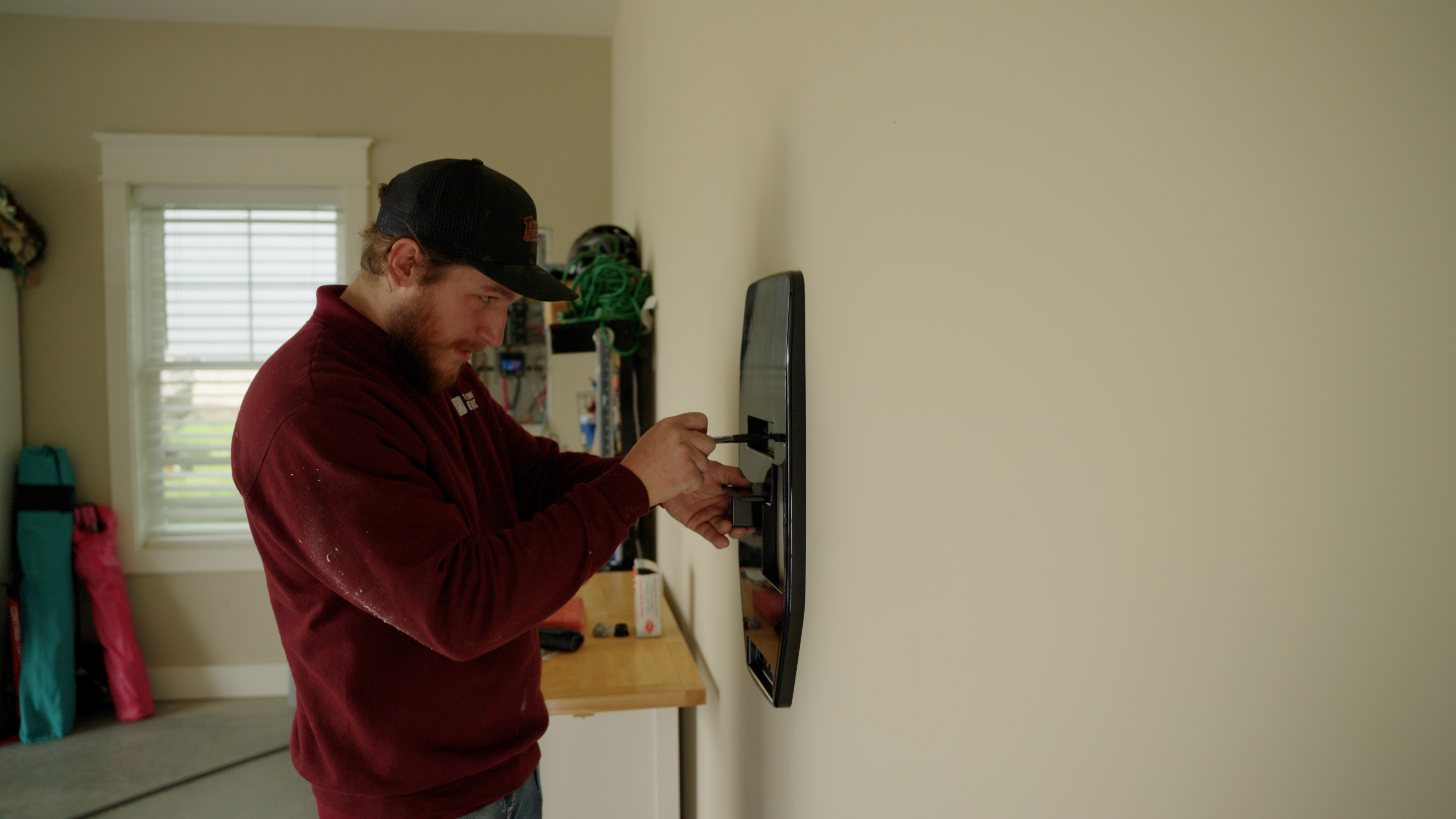
Christian Cedillos installed a customer-supplied EV charger, checked panel capacity, wired the dedicated circuit, and tested the unit.

COMPLETED EV PROJECT
MATTHEWS EV
CHARGER INSTALL
A Matthews homeowner had a customer-supplied EV charger installed with panel capacity checked and final testing completed.
Prompt Service
Fast, efficient solutions
Code Compliant
Built to safety standards
Licensed & Insured
NC & SC certified
5-Star Reviews
Trusted locally
Project Snapshot
CUSTOMER-SUPPLIED EV CHARGER INSTALLED
Touchstone Electric technician Christian Cedillos installed a customer-supplied EV charger at a Matthews, NC home. The work included checking panel capacity, confirming compatibility with the home's electrical system, wiring the charger to the dedicated circuit, and testing the unit before closeout.
- Customer-supplied EV charger reviewed before installation
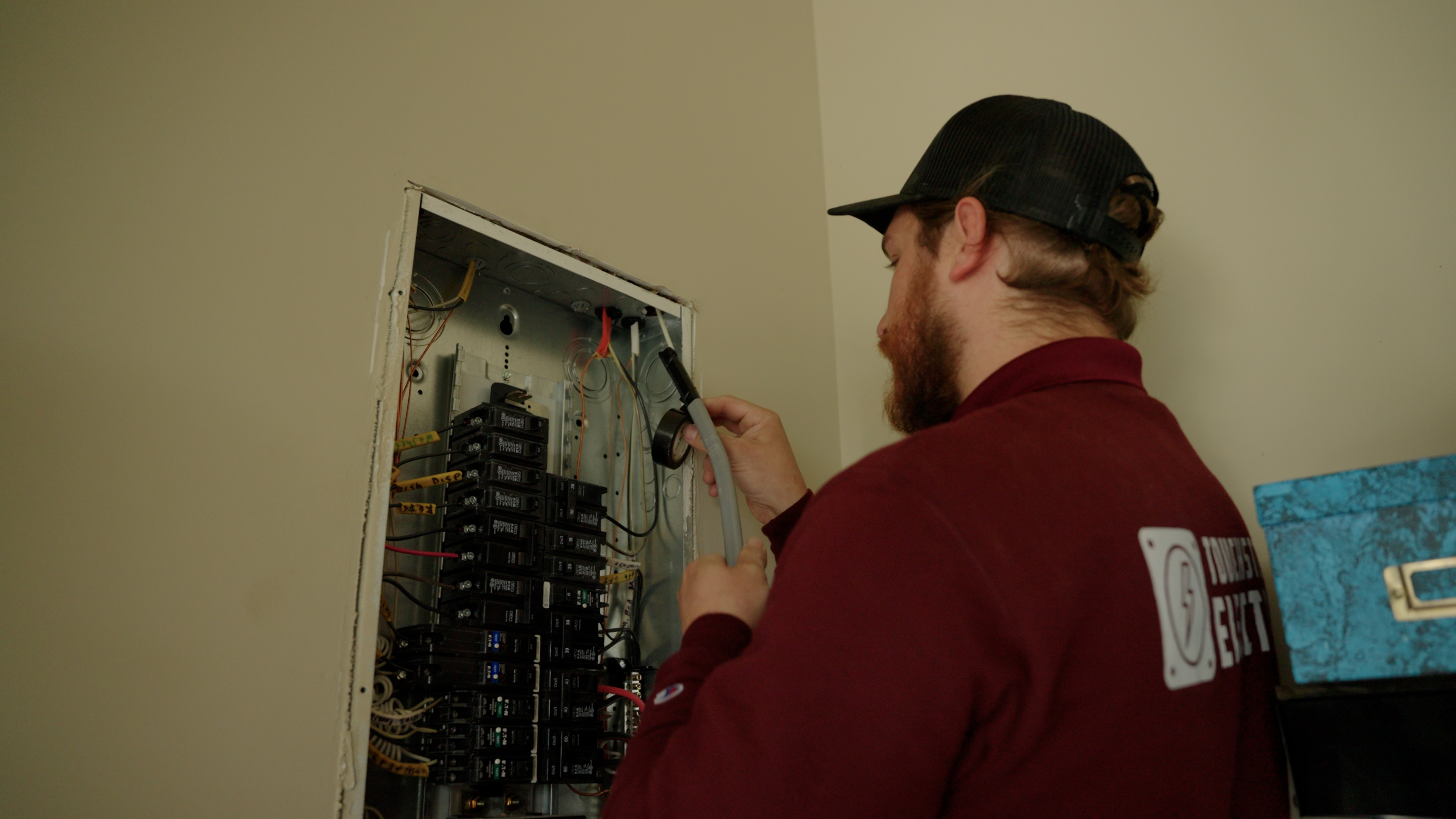
- Panel capacity checked for the added charging load
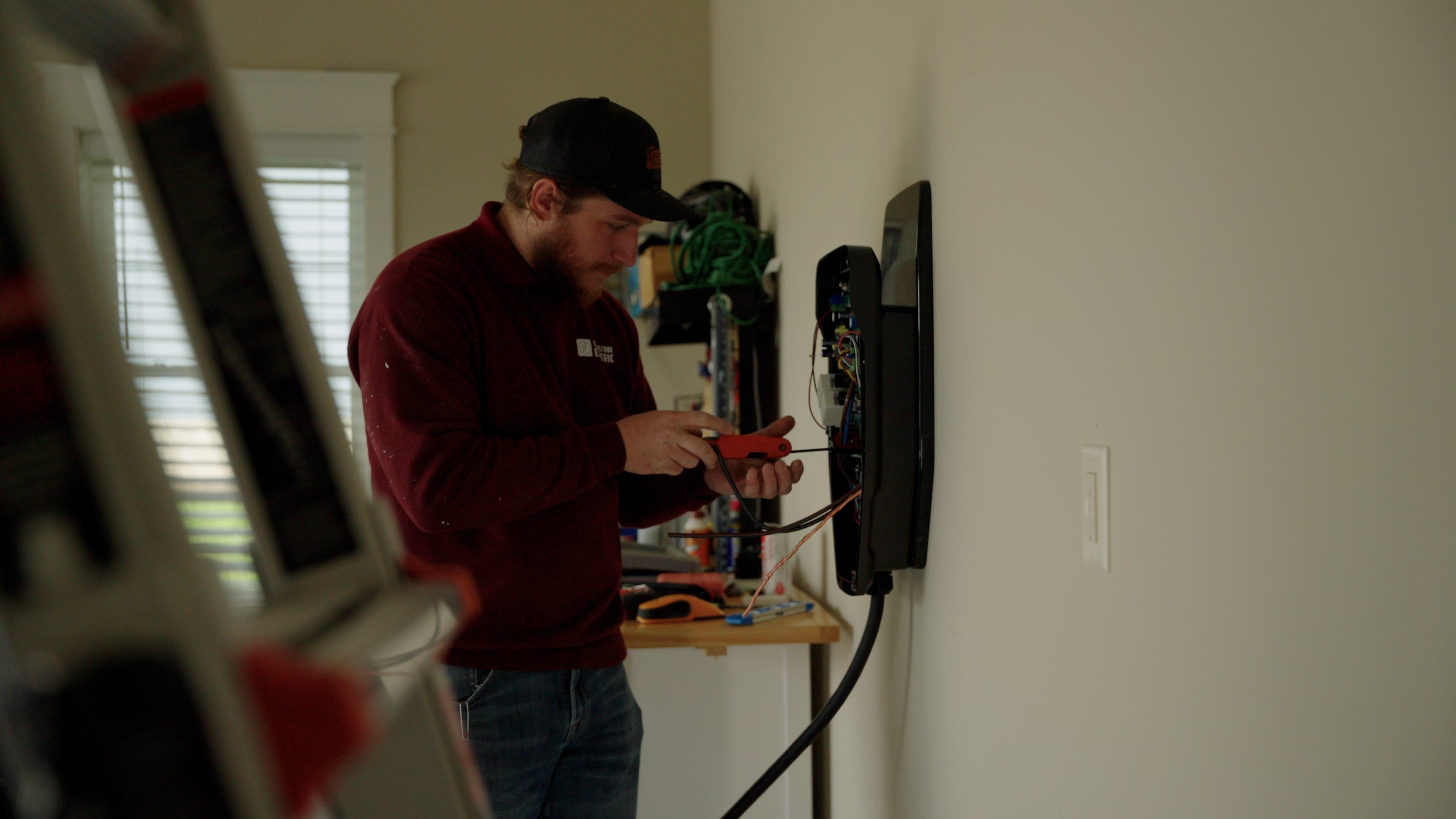
- Dedicated circuit wiring completed cleanly
- Final testing confirmed charging readiness
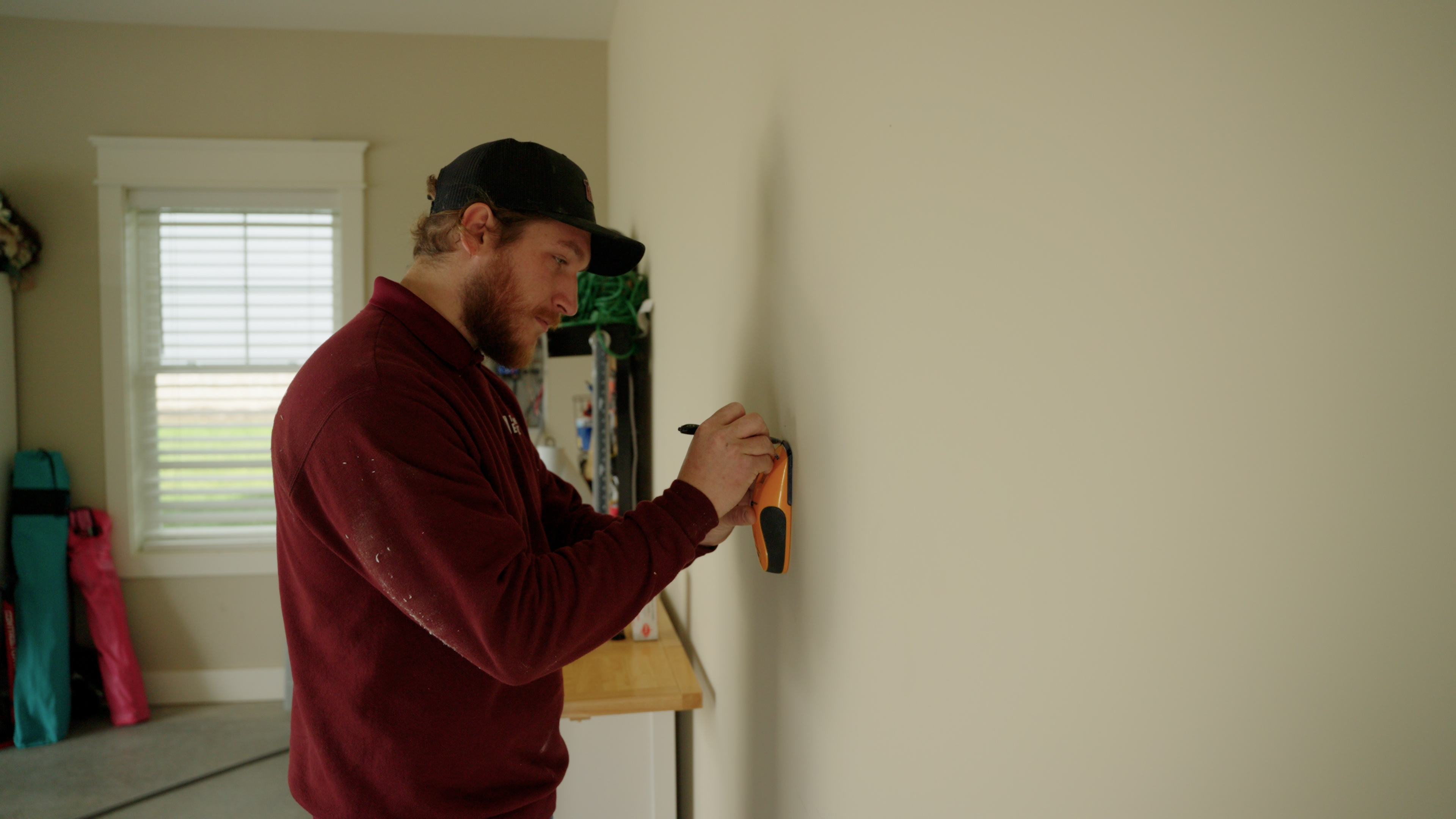
Home charging is convenient only when the circuit is planned correctly. A Level 2 charger can draw steady current for hours, so the panel, breaker, wire size, and charger settings need to work together. That is why EV charger installation starts with a system check.
Why charger setup is not just mounting a box
A Level 2 charger is a long-duration load. NEC Article 625 covers EV charging equipment because charger output, breaker size, conductor size, and panel capacity all have to match. The practical goal is simple: charge the vehicle reliably without overheating wiring or aging the panel early.
Charger Compatibility
Customer-supplied equipment still needs to match the vehicle, panel, circuit, and manufacturer instructions.
Dedicated Circuit
A charger should not borrow power from an unrelated outlet or appliance circuit.
Clean Wiring
Cable routing, breaker selection, and terminations affect how the charger performs over years of use.
Final Testing
The installed unit was tested so the homeowner had a ready-to-use charger before the project wrapped.
- 1Review the customer-supplied charger and manufacturer instructions.
- 2Check panel capacity, breaker space, grounding, and likely circuit path.
- 3Wire the charger to the dedicated circuit and mount it for practical daily use.
- 4Test the unit and explain safe operation before leaving.
The homeowner thanked Christian Cedillos for a strong EV outlet installation. The quiet value is in the prep: checking panel capacity and compatibility before putting the charger in service.
If you already bought an EV charger, Touchstone Electric can review the equipment, panel, circuit route, and related panel capacity concerns before installation. Qualifying workmanship is backed by our Lifetime Craftsmanship Warranty.
Have an EV charger ready to install?
Call the Matthews area team at (980) 981-1864. We can check the panel, confirm compatibility, and install the charger safely.