


 Call Us Now


Many crawl-space dehumidifiers are better served by a dedicated circuit, especially when they run often or share space with a pump. The right answer depends on the equipment nameplate, the existing circuit load, and the panel capacity.

Touchstone Electric Blogs
Greensboro Crawl Space
Dedicated Circuit
See how Touchstone Electric installed dedicated power for a Greensboro crawl-space dehumidifier and pump system.
Expert Insight
From licensed electricians
Code Compliant
Built to safety standards
Licensed & Insured
NC & SC certified
5-Star Reviews
Trusted by homeowners
Project Snapshot
Dedicated Power For Moisture Control Equipment
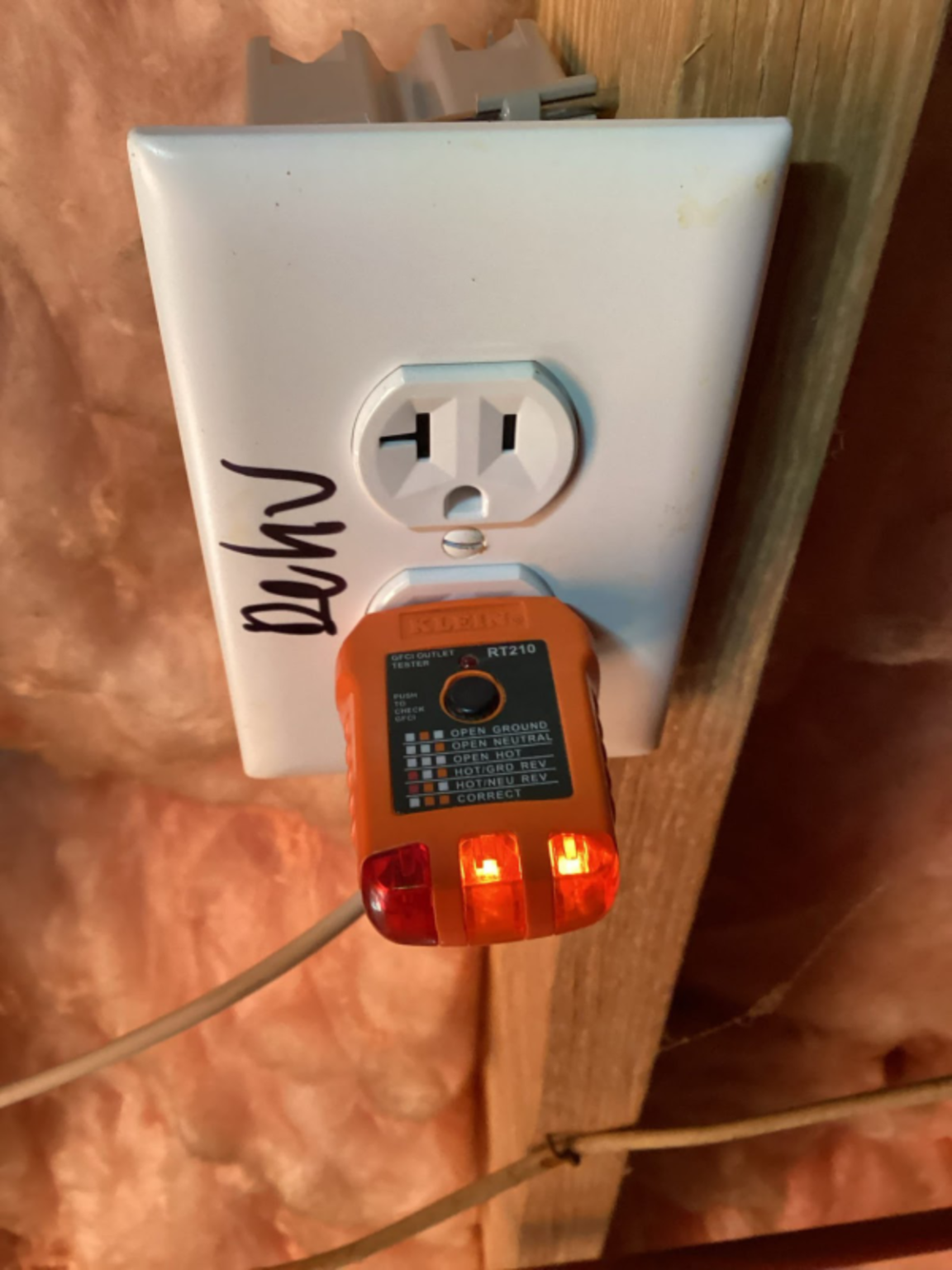
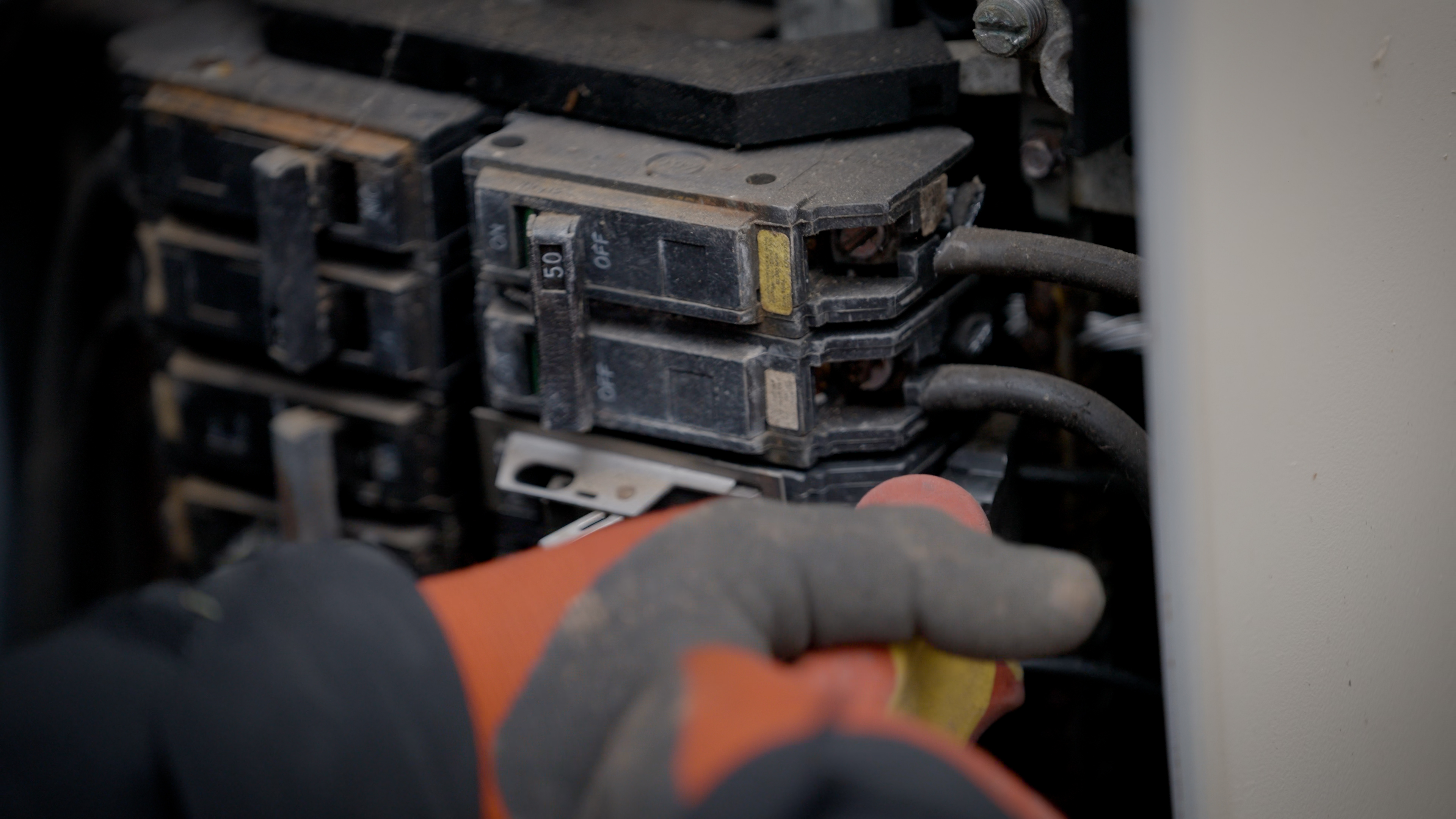
A Greensboro, NC homeowner called Touchstone Electric because their crawl-space dehumidifier and pump needed dependable power. Technician Jared Mata installed a dedicated circuit for the sump pump, extended a circuit for the dehumidifier, and checked the nearby electrical system so the homeowner could rely on the equipment that protects the crawl space from moisture problems. For related work, see our residential electrical services.
- Dedicated circuit installed for the crawl-space pump
- Circuit extension completed for the dehumidifier
- Nearby panel and wiring conditions checked during the visit
- Garage access area left clean after the work was finished
The customer said Jared worked efficiently, performed a safety check, and left the garage tidy after the installation.
Moisture equipment needs steady power
A crawl-space dehumidifier and pump are not convenience loads. They protect framing, insulation, stored items, and indoor air from moisture damage. When that equipment shares a busy circuit, nuisance trips or voltage drop can shut it down when you need it most.
GFCI protection for damp crawl-space conditions
Dedicated capacity for pump and dehumidifier loads
Connections checked for heat, looseness, and damage
Why The Circuit Matters
Crawl Spaces Add Electrical Risk
Crawl spaces are tight, damp, and harder to inspect than a normal room. That is exactly why the wiring method, device rating, box placement, and circuit protection need attention before the equipment is plugged in and forgotten.
GFCI protection is the safety piece homeowners usually notice first. NEC 210.8 covers ground-fault protection in areas where moisture raises shock risk. A GFCI compares current going out with current returning, then cuts power quickly if current leaks through an unsafe path.
The dedicated circuit also protects your money. A dehumidifier or pump that loses power quietly can let moisture build for days. Correct wire sizing, breaker sizing, and terminations under NEC 110.14 help reduce heat and premature failure at the connections.
- Give moisture-control equipment a circuit plan instead of relying on a shared garage or utility outlet.
- Use GFCI protection where damp conditions make shock protection more important.
- Confirm the pump and dehumidifier nameplates before choosing breaker and conductor size.
- Check panel capacity before adding a new breaker for crawl-space equipment.
- Ask how the installation is covered by the Lifetime Craftsmanship Warranty.
A crawl-space circuit is easy to ignore because the equipment sits out of sight. That is why we treat it like a reliability job, not just another outlet. The goal is simple: the dehumidifier and pump should have the power they need without overloading a general-use circuit or creating a hidden shock risk.
If your crawl-space equipment keeps tripping, loses power, or was added to whatever outlet was nearby, start with electrical troubleshooting and repair. If the panel needs room for new equipment, our electrical panel upgrade team can review capacity before a dedicated circuit is added. Homeowners planning future charging work can also compare the same load-planning logic on our EV charging installation page.
Need a dedicated circuit for crawl-space equipment?
Tell us what equipment you are powering and where it sits. We will check the panel, protection needs, and wiring path before recommending the right circuit plan.